
General Information CBC Annual Meeting 2015
Meeting dates and venue
The CBC annual meeting will take place in Stockholm, Sweden, on 8-10 September, 2015. The venue for the meeting is only a short walk from the hotel, please see below:
Finlandshuset Konferens
Snickarbacken 4
111 83 Stockholm, Sweden.
Telephone: +46-8-54521204
E-mail: finlandshuset@fazer.com
Website: http://finlandshuset.se
Registration and access to meeting
Meeting registration will be available from 08.15-08.45 on 8 September at the entrance of the conference venue Finlandshuset. Compliance with this time limit will assure efficient processing of the information and the proper issuance of meeting badges. CBC meeting badges should be worn at all times and will be required for entry to all venues and meeting areas.
Accomodation
The Swedish National Audit Office (Riksrevisionen) has negotiated a special rate at Hotel Kung Carl for all CBC meeting participants for the nights of 7-11 September, 1606 SEK pp/night. Please be aware that this rate will expire on 1 July. All participants are responsible for making their own reservations directly with the hotel, please note that the reservations CANNOT BE MADE ON-LINE. Use e-mail, fax or telephone for your room bookings:
Tel: 08-463 50 00 Fax: 08-463 50 50 E-mail: info@hotellkungcarl.se Kindly submit the booking reference number: 685183.
For questions please contact Ms Kerstin Abrahamsson: Kerstin.abrahamsson@riksrevisionen.se.
Hotel Kung Karl
Birger Jarlsgatan 21 111 45 Stockholm Telephone: +46-8-463 50 00 E-mail: info@hotellkungcarl.se Website: http://www.hotellkungcarl.se
Transportation
It is easy and safe to move around in Stockholm, this also includes public transport. The Swedish National Audit Office will not provide transport to or from the airport, why all CBC meeting participants will be asked to make their own arrangements. One of the following means of transport is recommended:
Arlanda Express Train
The Arlanda Express takes you from the airport to the Central Station in 20 minutes. From there you reach the hotel via a ten minute taxi journey, or the undergroud train to Östermalmstorg station.
Fares for Arlanda Express Train:
One-way ticket: SEK 260 (approx. EUR 30, USD 38)
Return ticket: SEK 490 (approx. EUR 55, USD 70)
For more information:
http://www.arlandaexpress.com/start.aspx
Airport Bus (Flygbussarna)
Takes a little longer (40 minutes) than the train, but is comfortable and fairly priced. Fares for the airport bus:
One-way ticket: 99 SEK (approx. 10 EUR, 11 USD)
Return ticket: 198 SEK (approx. EUR 21, 23 USD)
Taxi
By taxi the journey from Arlanda Airport to the hotel takes about 40 minutes, depending on the traffic situation at time of arrival. Recommended taxi companies and approximate fares:
Taxi Stockholm: SEK 520 (approx. EUR 56, USD 61)
Taxi 020: SEK 460 (approx. EUR 49, USD 54)
Make sure you get a fixed price before starting your journey!
Dress code
The CBC Annual meeting has a smart casual dress code. However, for dinner occasions, smart casual or jacket and tie is recommended, and a jacket or shawl can be nice as evenings can be chilly.
Checklist – to bring
Visa, valid passport, insurance letter and formal invitation in case of questions upon arrival in Schengen or Arlanda Airport
Adapters for charging of all electronic devices (220V)
Laptop – no printed documents will be available at the meeting venue
Important medicines, as most medicine is on doctor’s prescription in Sweden
Umbrella and light jacket or cardigan for rain/evening use
Comfortable walking shoes
Contact
For inquiries related to logistical issues, please contact:
Ms Kerstin Abrahamsson +46-73-4452283 (Kerstin.abrahamsson@riksrevisionen.se),
Ms Anki Turesson +46-73-4452089 (anki.turesson@riksrevisionen.se) or
Ms Camilla Brodén +46-73-4452358 (Camilla.broden@riksrevisionen.se)
For information on thematic issues, please contact:
The CBC Secretariat (secretariat@intosaicbc.org)
Sweden – A short introduction
Sweden is a sparsely populated country, characterized by its long coastline, extensive forests and numerous lakes. It is one of the world’s northernmost countries. In terms of surface area it is comparable to Spain, Thailand or the American state of California. Sweden’s borders have been unchanged since 1905 and the country has not been at war since 1814.
Extreme contrasts
Sweden experiences extreme contrasts between its long summer days and equally long winter nights. In the summer, the sun stays in the sky around the clock in the parts of Sweden north of the Arctic Circle, but even as far south as Stockholm (59°N) the June nights have only a few hours of semi-darkness. Evenings and mornings are light, why eye-blinds are recommended making it easier to sleep. In September it is already starting to get darker again, and towards the end of December the sun sets at about 3.00 pm.
Climate
Considering its geographic location, Sweden enjoys a favorable climate. This is mainly thanks to the Gulf Stream, a warm ocean current that flows off Norway’s west coast. With its variety of landscapes and beautiful scenery, Sweden has everything from bears and wolves in the north to roe deer and wild boar in the south. The country also has a wealth of flora and aquatic life, which contribute to its biological diversity.
The weather in early autumn such as September hopefully means that summer still lingers, with temperatures around 20 degrees Celsius during the day, but chilly evenings and mornings, where a cardigan or light jacket is advisable.
Facts and Figures
Capital: Stockholm
Population: 9.58 million, about 0.13 per cent of the world’s population.
Currency: 100 Swedish kronor (SEK) = 144 ZAR = 10.70 EUR or 12 USD (in late May, but please double check prior to arrival.) Religion: The Church of Sweden is Evangelical Lutheran. There are also many other religions and denominations.
Language: Swedish.
Form of government: Constitutional monarchy, with parliamentary democracy.
Parliament: Riksdagen, with 349 members in a single chamber. In Sweden, general elections are held every four years, with the last one held in September 2014. Around 7 million people are entitled to vote and thereby influence which political party will represent them in the Riksdag (the Swedish Parliament), county councils and municipalities.
Education: Nine years of compulsory schooling, but most pupils continue to the three-year upper secondary school. Around one-third go on to higher education at universities and colleges throughout Sweden.
Working hours: Standard work week is 40 hours, minimum paid vacation is 5 weeks
Area: 450,294 sq km, the third-largest country in Western Europe after France and Spain.
Calling code: +46
Time zone: GMT +1
Most important export goods: Machinery and transport equipment, wood and paper products, chemicals and plastic products, industrial machinery, electronics and telecommunications equipment, minerals, road vehicles. Most important imported goods: Machinery and transport equipment, chemicals and plastic and rubber products, electronics and telecommunications equipment, energy products, industrial machinery, road vehicles, minerals, foodstuffs.
Economy and equality
The Swedish society has been associated with a “middle way” between socialism and capitalism, famous for its welfare state, high taxes, and peaceful labor relations. In recent years, Sweden has received more attention for successfully handling its economy in a global economic and financial crisis. The fundament of the Swedish society is an economy that is open, export-based, and highly efficient. In a long-term perspective Sweden is characterized by steady growth, political stability, transparent institutions, technological adaptability, flexible labor markets, open economies and high levels of education. All these factors place Sweden at the top of international ranking lists both in terms of economic clout and quality of life.
A less gender-equal society is less economically beneficial from a societal perspective. It is simply a waste not to take advantage of the education and skills of the whole population. Internationally, Swedish gender equality is still a utopian ideal for large parts of the world. According to recent figures from the World Economic Forum, Sweden ranked fourth most equal among the 136 countries compared. Most fathers stay at home with their children for about six months. However, still 78% of parental leave benefits are claimed by women and three times more women opt to work part-time when their children are small.
Stockholm – the Capital of Sweden
Stockholm, one of the world’s most beautiful capital cities, is built on 14 islands connected by 57 bridges. The beautiful buildings, the greenery, the fresh air and the proximity to the water are distinctive features of the city. Stockholm with its 750-year history and rich cultural life offers a wide range of museums and attractions, most of which are within walking distance from the hotel and there are good opportunities to get to experience a lot in a short time.
Currency
100 Swedish kronor (SEK) = 10.70 EUR or 12 USD.
VISA/Mastercard are accepted everywhere. In Sweden credit cards can be used also for very small transactions. Should you wish to make currency exchange, this can preferably be done at a Forex desk or SEB bank counter at Arlanda Airport or the Central Station. You will also find cash machines conveniently located throughout the city.
Food
You can find all kinds of food in Stockholm, from the national dish Swedish meatballs to a great variety of international cuisine and many restaurants in different price ranges. The Hotel Kung Karl is right in the city centre of Stockholm and many restaurants are right around the corner, as is the water front and the park Humlegården (for jogging or strolls). Alcohol is expensive in Sweden, and for private consumption can only be found in special stores called Systembolaget.
Tipping
All service charges are included in the price in Sweden, but should you find the service and total experience of your evening very good, a 10% tipping is always welcome. Tipping at lunch time is rare, unless you frequent a very fine restaurant, and in taxis tipping is optional.
Dietary restrictions
Dietary restrictions due to religion, culture, allergies or other reasons, are common in Sweden, and most restaurants are used to special requests. However, please do remember to let us know if you have dietary restrictions, so that we can give notice to the conference venue.
News
2018 CBC/IDSC meetings in Kuwait – Registration now open
The invitation letter from the Auditor General of Kuwait, Mr Adel Abdulaziz Al-Sarawi, kindly hosting the annual meetings of the INTOSAI Capacity Building Committee and the INTOSAI-Donor Cooperation Steering Committee is now available on the website. Together with the...
IntoSAINT Global Meeting 2018 in Mexico City
The Self-Assessment of Integrity (IntoSAINT) is an initiative originally created by the Netherlands Court of Audit and adopted by International Organization of Supreme Audit Institutions (INTOSAI) to support SAIs as models of integrity, transparency and...

INTOSAI Journal article: Forum for SAIs operating in challenging contexts
The CBC workstream dedicated to supporting Supreme Audit Institutions operating in particularly challenging contexts recently organized a forum in Johannesburg, South Africa. Seven Auditors General (AG) who currently lead SAIs with experience working in such contexts...
ASEANSAI Newsletter
Please find below the latest ASEANSAI newsletter reporting on, among other things, the 4th ASEANSAI summit taking place in Vientiane, LAO PDR - where the regional chairmanship was handed over from the National Audit Authority of Kingdom of Cambodia to the State Audit...
The Future of Audit: No Magic Recipes
Following the interesting theme of the GALF-meeting 2017: ”The auditor of the future” and the engagements arising from the CBC annual meeting in Washington, D.C., in September 2017, the CBC Secretariat is happy to publish this article written by Ms Tytti Yli-Viikari,...
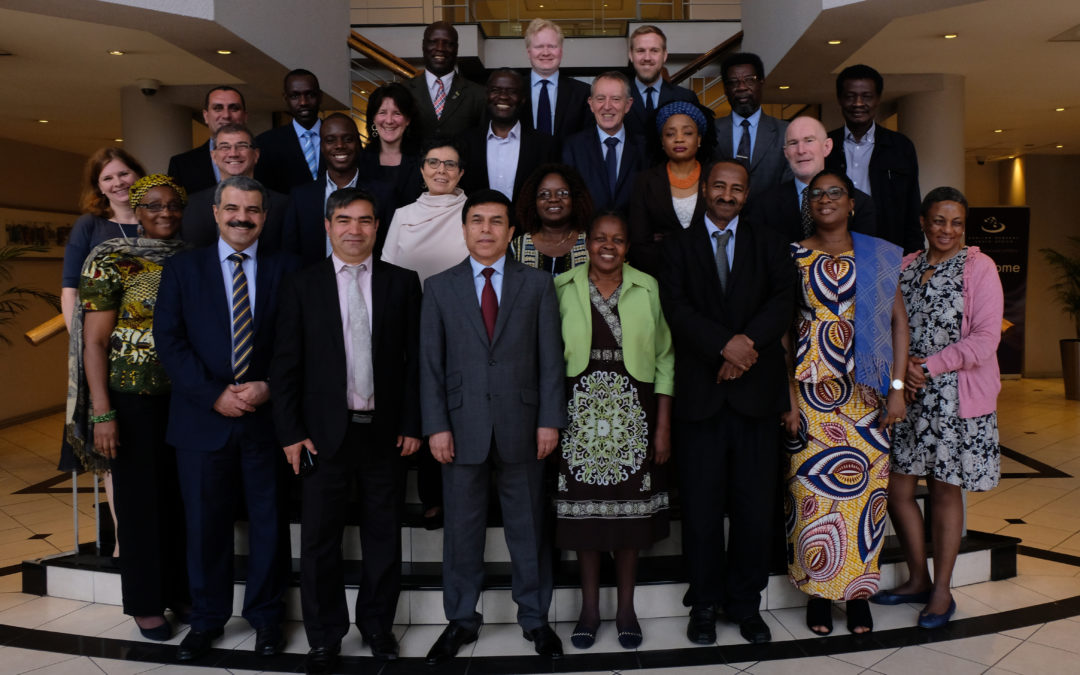
CBC Forum for SAIs in Fragile Situations held in Johannesburg, South Africa
The CBC workstream in support of SAIs in fragile situations (represented by the SAIs of Afghanistan, Liberia, Netherlands, Norway, Sierra Leone, Sudan, Sweden and the IDI) invited Auditors General, Deputies Auditors General and some staff from Zimbabwe, South Africa,...
Interesting articles in 10th WGEI Newsletter
Please find links below to interesting articles from the latest newsletter of the INTOSAI Working Group on Extractive Industries! http://www.wgei.org/sustainable-policies/linking-extractive-industries-and-the-sustainable-development-goals/...
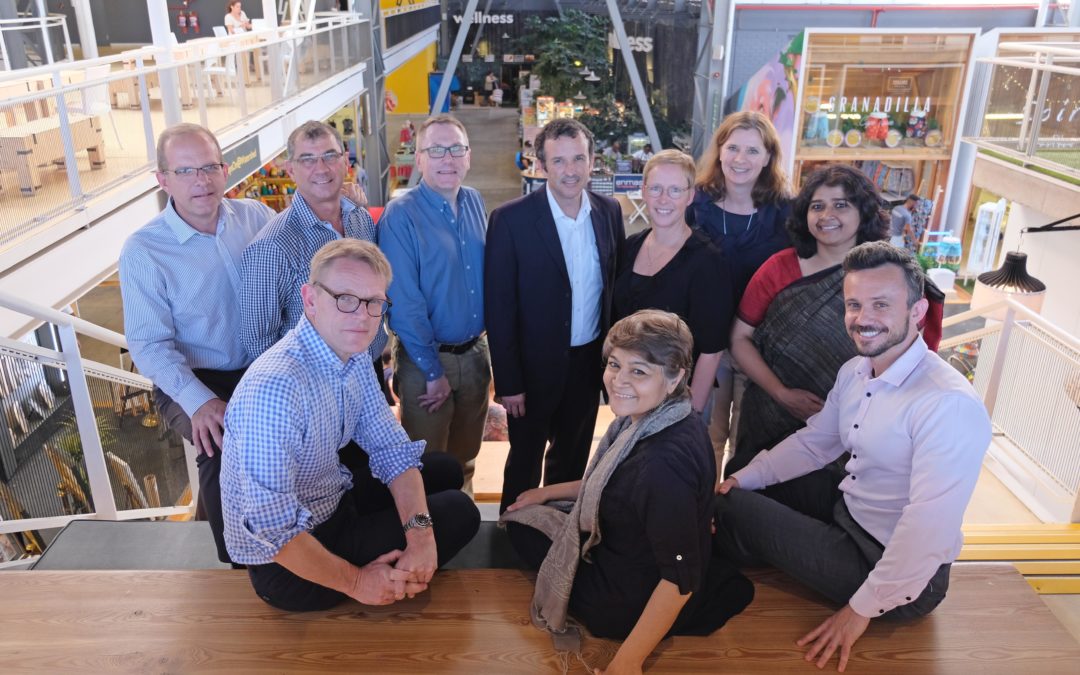
The CBC hosts INTOSAI Goal Chair Collaboration (GCC) meeting in Cape Town
Representatives of the chairs and vice-chairs of INTOSAI's three main committees, the Professional Standards Committee (PSC), the Capacity Building Committee (CBC) and the Knowledge Sharing Committee (KSC) meet regularly to coordinate their respective activities and...
PASAI Bulletin January 2018
Please read in the latest issue of the PASAI Bulletin about the CBC Chair's visit to the PASAI region and to the Office of the Auditor General of New Zealand! PASAI Bulletin January 2018
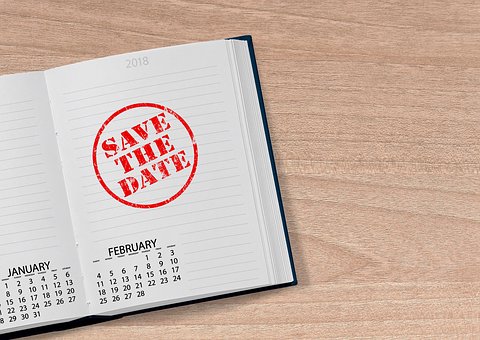
CBC Annual Meeting – save the date!
Please make sure to block your calendars for the next CBC Annual Meeting, generously hosted by SAI Kuwait, on 3-5 September, 2018. All necessary information will be available on the website in due course, as well as e-mailed. So keep an eye out for the next...